Skip to content

American Fisheries Society Family of Websites:

Fisheries.org

American Fisheries Society
Family of Websites

Journals

Read our five journals and Fisheries magazine

Gray Literature Database

Find thousands of unpublished agency reports and other information

Annual Meeting

Join us in Columbus in 2026

Divisions, Chapters, Sections

Find an AFS Unit near you or in your area of specialty

Fishbook

Fisheries Collaboration Network

Climate Change and Fisheries

Learn how to communicate the effects of climate change on fisheries

Hutton Junior Fisheries Biology Program

Summer internships for high school students

Community Growth and Connections

Explore our initiatives to build community in the Society and in the fisheries profession

Center for Fisheries Technology and Collaboration

Find fisheries science products and services

Center for Technology and Collaboration

Quick answers to common questions

Other Resources
  • Standard Methods for Sampling North American Freshwater Fish Website

  • Rotenone Stewardship Program Information Site

  • Fishionary: A blog about fish words! 
Latest News
2026 Officer Election Voting Now Open AFS Calls for Continued Protection of Boundary Waters from Mining Proposed Rule Would Undermine Science-based Endangered Species Act Future of Public Trust Resources – Statement of the American Fisheries Society Latest Newsletter
Donate
Login
Logout
$0.00 0 Cart
  • Who We Are

    Who We Are

    Governance

    Learn how AFS is structured

    Divisions, Sections, Chapters

    Find a community in your local
    area or in your expertise

    Committees

    Get engaged and volunteer

    Awards & Recognition

    Nominate your heroes

    Community Growth and Connections

    Learn more about our community-building efforts

    AFS Celebrates 150+ Years

    Explore our history

    AFS Fisheries Partnerships

    Meet our global partners

    Meet the Staff

    Dedicated to serving our members

    Contact Us

    Quick answers to common questions

    Support AFS

    Discover how you can support critical AFS programs

    What Are Fisheries?

    Explore fisheries professions

  • MEMBERSHIP

    Membership

    Learn about membership benefits and member types

    Member Directory

    Find your colleagues

    Types of Membership

    For all stages of your career

    Give the Gift
    of Membership

    Invest in an aspiring fisheries
    professional’s future

    Who Are Our Members

    From students to 50-year Golden Members

    Governance

    Learn about our organization and leadership

    My Account

    Log in to access member benefits or renew

    Join/Renew

    It’s Quick and Easy

    Organizational Membership

    Become a Strategic Partner!

  • POLICY

    POLICY

    Recovering America’s
    Wildlife Act

    Critical funding for state conservation programs

    Climate Change

    Communicate the impacts
    of climate change on fisheries

    Magnuson-Stevens Act

    Ensuring sustainability of marine fisheries

    Waters of the US

    News about Clean Water Act
    jurisdiction

    Water Quality

    Healthy fisheries require healthy waters

    Pebble Mine

    Protecting Bristol Bay salmon fisheries

    National Fish
    Habitat Partnership

    Addressing fish habitat regionally

    Infrastructure

    Funding impacts on fish habitat

    Aquaculture

    Providing food security for the future

    Future of the Nation’s
    Aquatic Resources

    Priorities for US fisheries policies

    Recent Policy Statements

    Official policy statements of AFS

    Policy Letters

    Comments on policy,
    legislation, and regulations

    Sport Fish Restoration Act

    Understanding its importance in funding state agency fisheries management

    Advocacy Guidelines

    For Units and members

    Science Guidelines

    Practicing science appropriately

    Briefings

    Congressional briefings with our partners

    Resolutions

    Member-approved resolutions
    on policy

  • NEWS

    News

    Announcements

    Official AFS news

    Annual Meeting

    News from the meeting

    Members in the News

    Awards and interviews

    Policy News

    Round-up of all policy news

    Beneath the Surface Podcast

    A deep dive into the programs and people at AFS

    Federal Workforce and Budget Cuts

    Resources and Ways to Take Action

    Newsletter

    Bi-weekly newsletter for members and partners

    Press Releases

    News media releases

  • EVENTS

    Events

    Annual Meeting

    Columbus 2026

    Future Annual Meetings

    Where we are heading

    Past Annual Meetings

    Where we’ve been

    World Fisheries Congress 2024

    Seattle, Washington

    Other Past Events

    Past special events

    Fisheries Events Calendar

    Events around the world

    Add Your Event Listing

    Submit your calendar item

  • JOBS

    Jobs

    Career Help from AFS

    Compilation of job listing boards

    Other Career Tips

    Career info for members

    Find a Job

    Listings from all over North America

    Post a Job

    Submit your job opening

  • PUBLICATIONS

    Publications

    AFS Journals Program

    More than 150 years of excellence

    AFS Books Program

    Publish with AFS

    Submit Journal Article

    Reach the right audience for your research

    Fisheries Magazine

    Monthly membership magazine

    Writing Tools

    Guides for authors and other resources

    Fishy Fridays

    Weekly blog highlighting AFS fisheries journal articles

    Bookstore

    Shop more than 180 titles

    Journal Online Access

    Log in to access journal articles

    Gray Literature Database

    Thousands of unpublished agency reports and research

  • Professional Development

    Professional Development

    Continuing Education

    Gain skills and enhance your career

    Professional Certification

    Official recognition of your expertise

    Hutton Junior Fisheries
    Biology Program

    Summer high school
    internship program

    Leadership Opportunities

    Hone your leadership skills, volunteer today!

    Training Opportunities Calendar

    Webinars, online courses, on-site workshops, and field training

    Webinars

    Check out upcoming sessions or browse our library

    More Online Resources

    Practical resources for fisheries professionals

  • Engagement

    Engagement

    Strategic Partners

    See how your organization can partner with AFS

    Support AFS

    Discover how you can support critical AFS programs

    The 1870 Society

    Recognizing generous individual donors who invest in the Society's mission

    2024 Annual Report

    Find out what AFS did for the fisheries community in 2024

    Shop AFS

    Check out the latest AFS merch here

Login
Logout

Using Committees and Volunteers

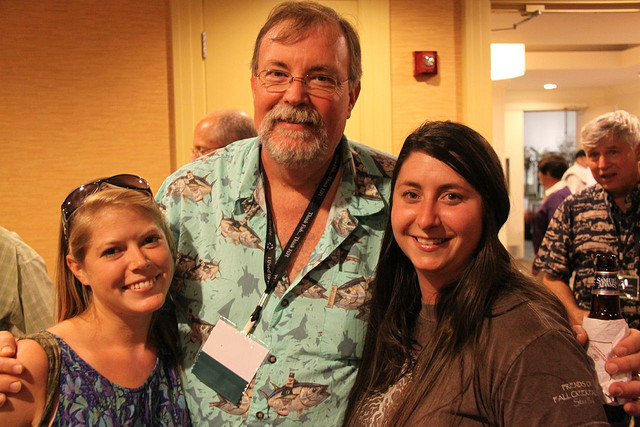
Photo of American Fisheries Society Committees and Volunteers
Credit: American Fisheries Society

Creating Committees

Committees are the backbone of strong volunteer organizations.  The effective use of volunteers in partnership with staff brings about need programs.  When committees understand their role, have a clearly defined direction, an enabling staff, and organized and experienced leadership, there are no limits to their effectiveness.  There are eight steps in accomplishing a successful subunit committee structure.  The eight steps are:

  1. Analyzing the subunit’s needs
  2. Writing committee guidelines
  3. Committee member assignments
  4. Recruiting the right people
  5. Planning and accountability
  6. Monitoring accomplishments
  7. Evaluations
  8. Recognition

Remember, committees are only as good as the people and plans that guide them.

For detailed instructions regarding committee formation and planning, read the Guidance Document on Committees (PDF).

Using Volunteers

Rosenberg, L.  1994.  Working with Volunteers: Handling the “What’s in it for me?” Question.  Fisheries.

In today’s society, volunteers think hard before they commit their time and efforts to a professional society such as the American Fisheries Society (AFS). Those days when people would blindly work “for the cause” or to “give something back to their society” are gone. Today, if you want people to volunteer, you must be able to answer one basic question: “What’s in it for me?” Or, put another way: “What will my contribution of time and energy do to advance the Society’s goals in which I’m interested?”

It isn’t the amount of time they would spend volunteering that bothers them — it’s the amount they’re afraid they’re going to waste. So if you want to put your volunteers to good use, let them know what they will get in return for their investment of time.

What do volunteers want? Recognition, rewards, and a sense of accomplishment. Volunteers want to do something worthwhile and do it well. They also want someone to recognize their contribution appropriately, to make them believe they are “successful” volunteers. Sometimes a volunteer leader only has to say, “Thank you — you did a great job,” but that is a minimum!

If you give your volunteers a job to do, you must do everything possible to show them the job is meaningful, worthy of their time, and an important contribution to the Society’s success. Make sure you give them a “volunteer-sized” piece of the action along with the resources to accomplish this task. This might mean breaking a large job into several smaller ones handled by one or more volunteers with a series of deadlines. It might also mean providing training on computers or other equipment to ensure they not only have the resources but the know-how to do the job right.

Once you’ve given volunteers that ability to succeed, you should provide recognition. By definition, volunteers don’t get paid. That makes achieving success and gaining recognition all the more important. Creating a specific program to give volunteers the feeling that time spent for the Society is worthwhile means recruiting properly. This is the first step in setting volunteers on the road to success. Before asking someone to serve as a committee chair, ask yourself what type of person does it take? What skills are needed? As a leader, you need to figure out who closely fits the profile. For example, Richard Gregory has been appointed chair of the Task Force on Advocacy. As a past president of the Society, he is aware of the mission and goals of the organization in advancing conservation of fishery resources and promoting the fisheries profession. Second, identify the key skills and characteristics of the volunteer position, such as solid writing ability, willingness to make phone calls, ability to maintain membership files, or organizational experience. Third, recruit people who have a good chance to succeed in their volunteer roles, not just people who will say yes. Make sure you’re not putting a shy, introverted person into a spotlight position that requires activities such as working a room of strangers.

Fourth, you should orient your volunteers by reinforcing how their particular jobs fit into the Society’s overall long-range plan. If possible, hold an orientation session for all volunteers. The benefits of holding such an orientation include providing an opportunity early in the year to meet and get to know each other; establishing a cohesive, well-understood plan of action; introducing volunteers to other people in their professions who have made the same commitments; and gaining a better understanding of the goals and objectives they are working toward.

Training is frequently skipped and its value underestimated. Training not only can help convince members to continue volunteering but can show them you are willing to “invest” in teaching them to learn and volunteer well. By training volunteers, you build an active, dedicated, and successful leadership corps ready to take on future challenges, and the skills learned are transferrable into their professional lives. Such skills could include managing time, running committee meetings effectively, public speaking, becoming proficient on a new software program, or gaining project management experience.

If you’ve properly recruited, oriented, and trained your volunteers, then you should have confidence in their ability to succeed. This means trusting them to do the job. Make sure they understand what they are supposed to do and let them do it, perhaps checking in once in a while to monitor progress. Give your volunteers a sense of accomplishment by giving them feedback. Periodic reviews help identify progress and alleviate problems for volunteers before the individuals “fail.”

The final step is to reward good performance with recognition. It’s the volunteer’s paycheck. If you go to all the trouble of making your volunteers successful and don’t give them the recognition they want and deserve, you’ve wasted a lot of time and energy because they won’t come back. Recognition doesn’t have to be a plaque, trophy, formal letter, or certificate — it can be a simple,
hand-written note or a firm handshake with a sincere “thank you.”

Each person gives his or her time and effort to the Society for different reasons but all need the sense that they’ve undertaken a worthwhile project and accomplished something. Think of ways to give your volunteers what they need, and you’ll find that working with volunteers really is worth the effort.

  • Recent News

    • Is Bigger Better for Hatchery Chinook Salmon? May 1, 2026
    • Webinar: A Perpetual Franchise to Cultivate Oysters April 30, 2026
    • Webinar: Skin Cancer Risk and Outdoor Workers: Early Detection and Sun Protection Could Save Your Life April 30, 2026
    • AFS Calls for Robust Funding for NOAA Fisheries April 27, 2026
    • AFS Urges Full Funding for US Fish and Wildlife Service, US Geological Survey, and US Forest Service April 24, 2026
  • About

    The American Fisheries Society is 501c Non-Profit Society


    Donate Now

    Quick Links

    • ABOUT
    • POLICY
    • EVENTS
    • PUBLICATIONS
    • MEMBERSHIP
    • NEWS
    • JOBS
    • Contact Us
    • ABOUT
    • POLICY
    • EVENTS
    • PUBLICATIONS
    • MEMBERSHIP
    • NEWS
    • JOBS
    • Contact Us

    Contact

    • 25 Century Boulevard
      Suite 505
      Nashville, TN 37214
    • (301) 897-8616
    Facebook-f Twitter Instagram Linkedin-in Vimeo-v

    Copyright © 2026 American Fisheries Society | Privacy Policy 

    This website uses cookies to improve your experience. Accept Read More
    Privacy & Cookies Policy

    Privacy Overview

    This website uses cookies to improve your experience while you navigate through the website. Out of these, the cookies that are categorized as necessary are stored on your browser as they are essential for the working of basic functionalities of the website. We also use third-party cookies that help us analyze and understand how you use this website. These cookies will be stored in your browser only with your consent. You also have the option to opt-out of these cookies. But opting out of some of these cookies may affect your browsing experience.
    Necessary
    Always Enabled
    Necessary cookies are absolutely essential for the website to function properly. This category only includes cookies that ensures basic functionalities and security features of the website. These cookies do not store any personal information.
    Non-necessary
    Any cookies that may not be particularly necessary for the website to function and is used specifically to collect user personal data via analytics, ads, other embedded contents are termed as non-necessary cookies. It is mandatory to procure user consent prior to running these cookies on your website.

    SAVE & ACCEPT