Skip to content

American Fisheries Society Family of Websites:

Fisheries.org

American Fisheries Society
Family of Websites

Journals

Read our five journals and Fisheries magazine

Gray Literature Database

Find thousands of unpublished agency reports and other information

Annual Meeting

Join us in Columbus in 2026

Divisions, Chapters, Sections

Find an AFS Unit near you or in your area of specialty

Fishbook

Fisheries Collaboration Network

Climate Change and Fisheries

Learn how to communicate the effects of climate change on fisheries

Hutton Junior Fisheries Biology Program

Summer internships for high school students

Community Growth and Connections

Explore our initiatives to build community in the Society and in the fisheries profession

Center for Fisheries Technology and Collaboration

Find fisheries science products and services

Center for Technology and Collaboration

Quick answers to common questions

Other Resources
  • Standard Methods for Sampling North American Freshwater Fish Website

  • Rotenone Stewardship Program Information Site

  • Fishionary: A blog about fish words! 
Latest News
2026 Officer Election Voting Now Open AFS Calls for Continued Protection of Boundary Waters from Mining Proposed Rule Would Undermine Science-based Endangered Species Act Future of Public Trust Resources – Statement of the American Fisheries Society Latest Newsletter
Donate
Login
Logout
$0.00 0 Cart
  • Who We Are

    Who We Are

    Governance

    Learn how AFS is structured

    Divisions, Sections, Chapters

    Find a community in your local
    area or in your expertise

    Committees

    Get engaged and volunteer

    Awards & Recognition

    Nominate your heroes

    Community Growth and Connections

    Learn more about our community-building efforts

    AFS Celebrates 150+ Years

    Explore our history

    AFS Fisheries Partnerships

    Meet our global partners

    Meet the Staff

    Dedicated to serving our members

    Contact Us

    Quick answers to common questions
    Support AFS

    Discover how you can support critical AFS programs

    What Are Fisheries?

    Explore fisheries professions

  • MEMBERSHIP

    Membership

    Learn about membership benefits and member types

    Member Directory

    Find your colleagues

    Types of Membership

    For all stages of your career

    Give the Gift
    of Membership

    Invest in an aspiring fisheries
    professional’s future

    Who Are Our Members

    From students to 50-year Golden Members

    Governance

    Learn about our organization and leadership

    My Account

    Log in to access member benefits or renew

    Join/Renew

    It’s Quick and Easy

    Organizational Membership

    Become a Strategic Partner!

  • POLICY

    POLICY

    Recovering America’s
    Wildlife Act

    Critical funding for state conservation programs

    Climate Change

    Communicate the impacts
    of climate change on fisheries

    Magnuson-Stevens Act

    Ensuring sustainability of marine fisheries

    Waters of the US

    News about Clean Water Act
    jurisdiction

    Water Quality

    Healthy fisheries require healthy waters

    Pebble Mine

    Protecting Bristol Bay salmon fisheries

    National Fish
    Habitat Partnership

    Addressing fish habitat regionally

    Infrastructure

    Funding impacts on fish habitat

    Aquaculture

    Providing food security for the future

    Future of the Nation’s
    Aquatic Resources

    Priorities for US fisheries policies

    Recent Policy Statements

    Official policy statements of AFS

    Policy Letters

    Comments on policy,
    legislation, and regulations

    Sport Fish Restoration Act

    Understanding its importance in funding state agency fisheries management

    Advocacy Guidelines

    For Units and members

    Science Guidelines

    Practicing science appropriately

    Briefings

    Congressional briefings with our partners

    Resolutions

    Member-approved resolutions
    on policy

  • NEWS

    News

    Announcements

    Official AFS news

    Annual Meeting

    News from the meeting

    Members in the News

    Awards and interviews

    Policy News

    Round-up of all policy news

    Beneath the Surface Podcast

    A deep dive into the programs and people at AFS

    Federal Workforce and Budget Cuts

    Resources and Ways to Take Action

    Newsletter

    Bi-weekly newsletter for members and partners

    Press Releases

    News media releases

  • EVENTS

    Events

    Annual Meeting

    Columbus 2026

    Future Annual Meetings

    Where we are heading

    Past Annual Meetings

    Where we’ve been

    World Fisheries Congress 2024

    Seattle, Washington

    Other Past Events

    Past special events

    Fisheries Events Calendar

    Events around the world

    Add Your Event Listing

    Submit your calendar item

  • JOBS

    Jobs

    Career Help from AFS

    Compilation of job listing boards

    Other Career Tips

    Career info for members

    Find a Job

    Listings from all over North America

    Post a Job

    Submit your job opening

  • PUBLICATIONS

    Publications

    AFS Journals Program

    More than 150 years of excellence

    AFS Books Program

    Publish with AFS

    Submit Journal Article

    Reach the right audience for your research

    Fisheries Magazine

    Monthly membership magazine

    Writing Tools

    Guides for authors and other resources

    Fishy Fridays

    Weekly blog highlighting AFS fisheries journal articles

    Bookstore

    Shop more than 180 titles

    Journal Online Access

    Log in to access journal articles

    Gray Literature Database

    Thousands of unpublished agency reports and research

  • Professional Development

    Professional Development

    Continuing Education

    Gain skills and enhance your career

    Professional Certification

    Official recognition of your expertise

    Hutton Junior Fisheries
    Biology Program

    Summer high school
    internship program

    Leadership Opportunities

    Hone your leadership skills, volunteer today!

    Training Opportunities Calendar

    Webinars, online courses, on-site workshops, and field training

    Webinars

    Check out upcoming sessions or browse our library

    More Online Resources

    Practical resources for fisheries professionals

  • Engagement

    Engagement

    Strategic Partners

    See how your organization can partner with AFS

    Support AFS

    Discover how you can support critical AFS programs

    The 1870 Society

    Recognizing generous individual donors who invest in the Society's mission

    2024 Annual Report

    Find out what AFS did for the fisheries community in 2024

    Shop AFS

    Check out the latest AFS merch here

Login
Logout

Archived: Strategic Plan 2015-2019

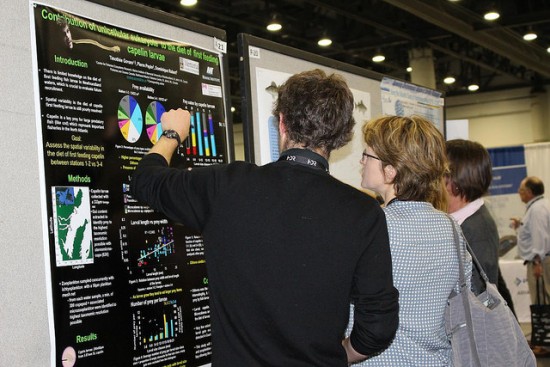
Photo of a poster session at the American Fisheries Society
Credit: American Fisheries Society

The mission of the American Fisheries Society is to improve the conservation and sustainability of fishery resources and aquatic ecosystems by advancing fisheries and aquatic science and promoting the development of fisheries professionals.

The actions of the American Fisheries Society during the next 5 years will be guided by the Strategic Plan for 2015-2019. For the 2015-2019 Strategic Plan, the previous plan was refined by reorganizing the goals and objectives, making the plan more usable as a planning document, and as a framework for reporting accomplishments. As with previous plans, the current Strategic Plan does not include specific actions. Rather, it is suggested that the annual operational plans of the Society, and each of its Units, include development of specific actions or work plans to implement this Strategic Plan.

Fisheries science and management, like other scientific and technical disciplines, face new challenges:

  • Globalization of trade and transportation will require greater cross-border understanding of the opportunities, threats, and cultural perspectives affecting international stock management, invasive species, and disease introductions.
  • Climate change will drive decision-making for aquatic habitat protection and rehabilitation because of impacts on migration, invasive species, disease epidemiology, water supplies, water quality, food production, and energy resources.
  • Economic pressure, volatile markets, a transient and retiring workforce, and demands from rising economies will require organizations to do more with fewer resources, modify their training and hiring practices, and dramatically restructure some commercial and recreational fisheries, as well as restructure use of and access to aquatic resources.
  • Ecosystem-based management coupled with social and economic concerns will continue to drive research and management agendas that will, by necessity, be shared among agencies.
  • Nature-deficit syndrome brought about by increasing urbanization and electronic media use will present challenges with constituents who have minimal exposure to and appreciation for the scientific principles that control fisheries and ecosystem.

Similarly the Society, in order to meet our members’ needs and thrive, recognizes that our operations and business model must evolve to adapt to changes in technology and communications.

  • Electronic communication, virtual meetings, and social networking are important means of interacting, particularly among young professionals, international colleagues, and dispersed organizations. Incorporation of these tools in traditionally structured meetings and development within established online venues will enhance participation and provide valuable experiences. Professional societies will be expected to serve as information intermediaries that provide timely quality assurance and technical insight on these ventures.
  • The proliferation and increased use of open-access publications by professionals will continue to present a competitive challenge to traditional print journals and books and move us away from a subscription-based approach to an author-pay approach.
  • The position of the Society as an authoritative and timely source of information on fisheries, aquaculture, and aquatic science will require increased visibility and engagement at regional, national, and international levels with educational institutions, other professional societies, government agencies, non-governmental organizations, tribal groups, private industry, decision makers, and and the public.
  • As an intelligent, adaptive, knowledge-based organization, the Society’s business and governance models will shift to respond to: greater demand for services that benefit members; changes in the Society’s revenue streams and expenses; and more direct participatory decision-making in collective actions.
  • The Society will increase the disciplinary, gender, ethnic, and cultural diversity and engagement of its members as a vital means to maintain relevancy and respond to the challenges facing fisheries science and management.

Within this context, the American Fisheries Society envisions that world-wide fisheries production will be optimized and sustained while structural and functional conditions of marine, freshwater, and estuarine ecosystems are maintained. The mission of the Society will be carried out effectively, and our vision will be attained, if each of the Goals described below is met.

Goals

  • Science Goal: Advance and promote fisheries, aquaculture, and aquatic sciences.
  • Education Goal: Support education and professional development in fisheries, aquaculture, and aquatic sciences.
  • Communication Goal: Disseminate fisheries science information.
  • Networking Goal: Provide forums and networks to promote interaction among fisheries professionals and students.
  • Advocacy Goal: Promote the fisheries profession and support evidence-based decision making for the conservation, development, and wise use of fisheries resources and aquatic ecosystems.
  • Governance Goal: Practice good governance of the Society and its member units.

Strategies

The Society uses a number of Strategies to accomplish these goals; each strategy may address multiple goals.

  1. Organize and sponsor forums to present new findings and exchange ideas.
    (Possible metrics: (1) Number of meetings, workshops, conferences, and symposia organized, (2) Number of informal gatherings or other networking opportunities organized, (3) Results of member satisfaction surveys, (4) Number of attendees)
  2. Provide continuing education opportunities with an emphasis on training and courses that are not commonly offered by academic institutions and/or that will be essential tools in the future.
    (Possible metrics: (1) Number of courses; (2) Number of students; (3) Types of courses offered: quantitative skills, regulatory, social science/human dimensions of fisheries management, field and lab safety certification, field and/or laboratory methods, new and emerging topics, fisheries management; (4) Post-training reporting)
  3. Develop communication products and publicly accessible information to promote the value of fisheries, aquatic habitat, and fisheries sciences.
    (Possible metrics: (1) Descriptions of information developed and how that information was communicated, (2) Potential number of people who received the information)
  4. Develop relationships, partnerships, and collaborations with other professional societies, conservation organizations, decision makers, and stakeholders to establish and promote mutual goals of fisheries science, education, and stewardship.
    (Possible metrics: (1) Descriptions of relationships/collaborations developed and how those contributed to the advancement of Society priorities and shared interests of partner organizations)
  5. Publish high quality scientific journals, books, and proceedings that present recent advances, reviews and syntheses of fisheries and aquatic science and management.
    (Possible metrics: (1) Number of manuscripts published, (2) Number of books published, (3) Number of papers published in symposia proceedings, (4) Editorial contributions, (5) Impact factor, (6) Number of citations)
  6. Develop and disseminate scientifically-based communication materials that represent and reflect the mission of the Society to political leaders, decision makers, stakeholders, and the public.
    (Possible Metrics: (1) Number and frequency of communiques; (2) Number of invitations to speak with decision makers, stakeholders, and the public; (3) Number of letters, briefings, reviews, testimonies, workshops)
  7. Provide online resources of value and interest to members and non-members to be the leading source of online fisheries science.
    (Possible metrics: (1) Number of unique visits to website, (2) Engagement of visitors on the website, (3) Time spent per visitor on the website;(4) Number of scientifically based tweets generated and number of Twitter followers)
  8. Support, manage, and promote a fisheries professional certification program that is recognized as a distinguished mark of scientific excellence and expertise within and outside the Society.
    (Possible metrics: (1) Number of certified scientists, (2) Number of agencies or institutions that give credit for certification in hiring and promotion, (3) Number of re- certifications)
  9. Use innovative techniques such as surveys, focus groups, social media, and other means, to determine and respond to the needs, interests, and opinions of Society members.
    (Possible metrics: (1) Blog entries, (2) Opinion surveys via website or social media, (3) Formal or informal focus group meetings; (4) Number of scientifically based tweets generated and number of Twitter followers)
  10. Embrace and adopt new technologies to enhance and expand the Society’s education, communications, networking, and advocacy activities.
    (Possible metrics: (1) Types and numbers of technology used)
  11. Enhance participation of students and professionals at all levels of the Society to assure member recruitment, retention, and leadership development into the future.
    (Possible metrics: (1) Number of emerging leaders mentorship awardees, (2) Number of student awards, (3) Number of members in each membership category, (4) Proportion of student members that become young professionals, (5) Proportion of young professionals that become regular members, (6) Number and proportion of Chapter members who are Society members, (7) Development of membership database to support analysis)
  12. Promote ethnic, socio-economic, generational, and disciplinary diversity within the Society and the fisheries profession.
    (Possible metrics: (1) Group membership statistics; (2) Group membership survey results; (3) Group annual meeting participation; (4) Number of plenary speakers who are female or members of underrepresented groups; (5) Number of specific groups, teams, or individuals contacted for participation)
  13. Recognize and acknowledge the achievements and contributions of members and partners through awards, special conference sessions, and other activities.
    (Possible metrics: (1) Number and types of awards, (2) Number of awardees)
  14. Hold elections and convene regular meetings of elected officers to plan activities that advance the mission of the Society and provide sound financial management of assets, revenue, and expenses.
    (Possible metrics: (1) Financial status, (2) Elections held, (3) Number of leadership meetings, (4) Audit report results, (5) Diversity and sizes of income streams, (6) Accuracy of approved budget estimates)
  15. Periodically review constitution, bylaws, and procedures manual and revise using appropriate procedures as necessary.
    (Possible metrics: (1) Number and substance of new amendments passed, (2) Number of periodic reviews of documents)
  • Recent News

    • AFS Urges Modernization of Sporting Goods Excise Tax that Funds Fisheries Conservation May 13, 2026
    • Is Bigger Better for Hatchery Chinook Salmon? May 1, 2026
    • Webinar: A Perpetual Franchise to Cultivate Oysters April 30, 2026
    • Webinar: Skin Cancer Risk and Outdoor Workers: Early Detection and Sun Protection Could Save Your Life April 30, 2026
    • AFS Calls for Robust Funding for NOAA Fisheries April 27, 2026
  • About

    The American Fisheries Society is 501c Non-Profit Society


    Donate Now

    Quick Links

    • ABOUT
    • POLICY
    • EVENTS
    • PUBLICATIONS
    • MEMBERSHIP
    • NEWS
    • JOBS
    • Contact Us
    • ABOUT
    • POLICY
    • EVENTS
    • PUBLICATIONS
    • MEMBERSHIP
    • NEWS
    • JOBS
    • Contact Us

    Contact

    • 25 Century Boulevard
      Suite 505
      Nashville, TN 37214
    • (301) 897-8616
    Facebook-f Twitter Instagram Linkedin-in Vimeo-v

    Copyright © 2026 American Fisheries Society | Privacy Policy 

    This website uses cookies to improve your experience. Accept Read More
    Privacy & Cookies Policy

    Privacy Overview

    This website uses cookies to improve your experience while you navigate through the website. Out of these, the cookies that are categorized as necessary are stored on your browser as they are essential for the working of basic functionalities of the website. We also use third-party cookies that help us analyze and understand how you use this website. These cookies will be stored in your browser only with your consent. You also have the option to opt-out of these cookies. But opting out of some of these cookies may affect your browsing experience.
    Necessary
    Always Enabled
    Necessary cookies are absolutely essential for the website to function properly. This category only includes cookies that ensures basic functionalities and security features of the website. These cookies do not store any personal information.
    Non-necessary
    Any cookies that may not be particularly necessary for the website to function and is used specifically to collect user personal data via analytics, ads, other embedded contents are termed as non-necessary cookies. It is mandatory to procure user consent prior to running these cookies on your website.
    SAVE & ACCEPT